Reconsidering the Role of Religious Ethics in the Ecological Crisis: A Public Discussion at Padepokan Aufklärung VI
A public discussion organized by Al Hikmah Institute Makassar in collaboration with Center for Eastern Indonesian Studies (CEIS), as part of Padepokan Aufklärung VI series, offered a critical reflection on the contemporary ecological crisis through the lenses of political ecology and religious ethics.
ENVIRONMENTAL & CLIMATE JUSTICE
Siti Asma Ahmad (Al Hikmah Institute Fellow)
1/7/2026
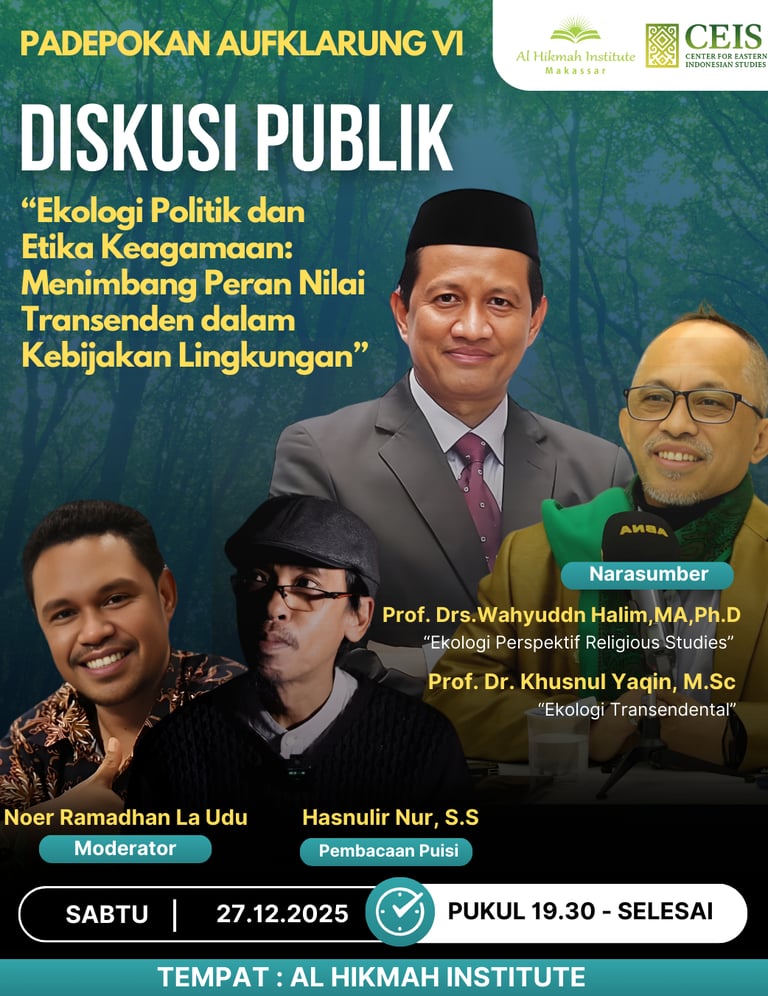
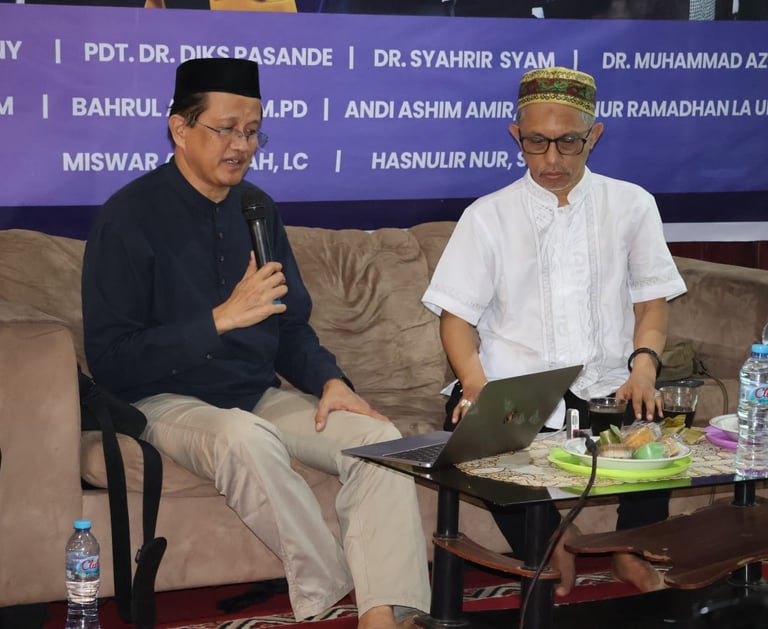
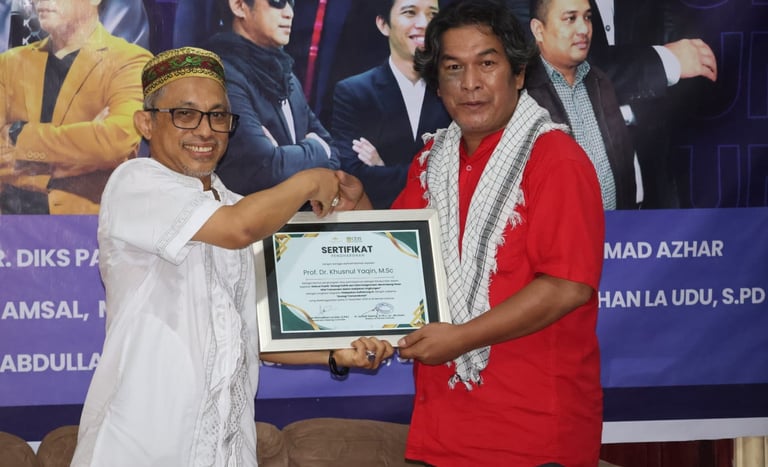
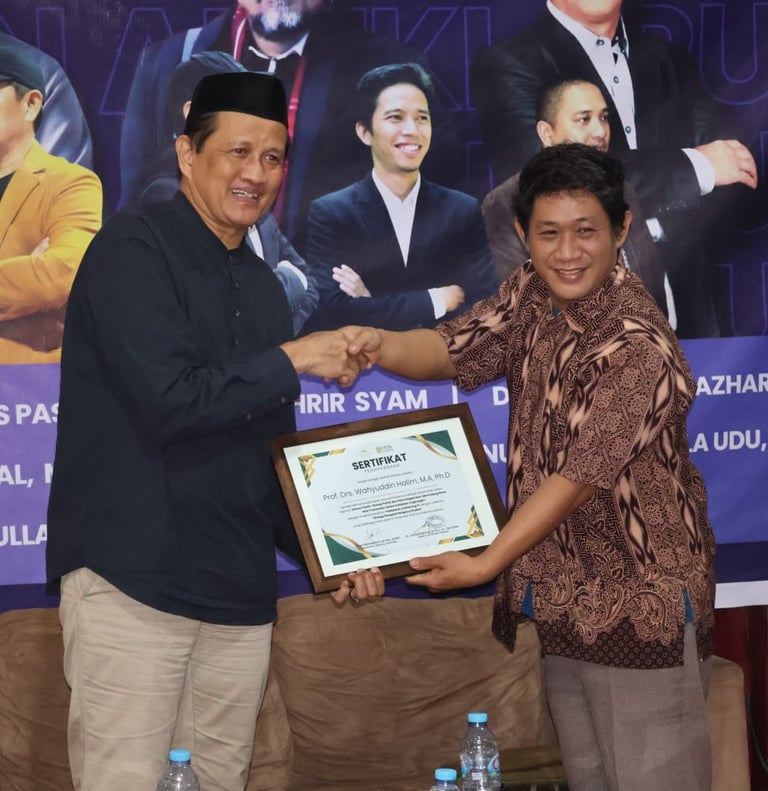
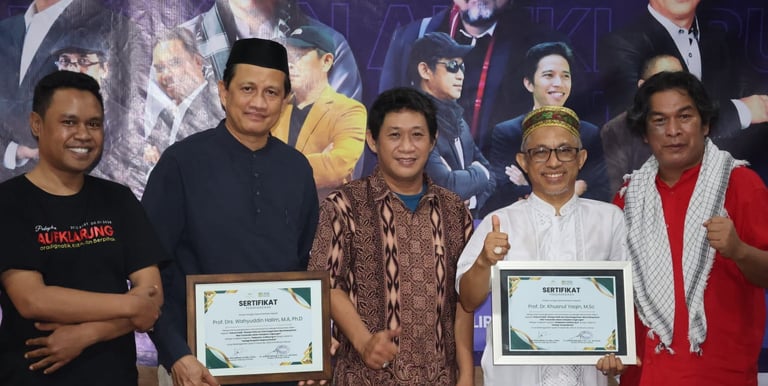
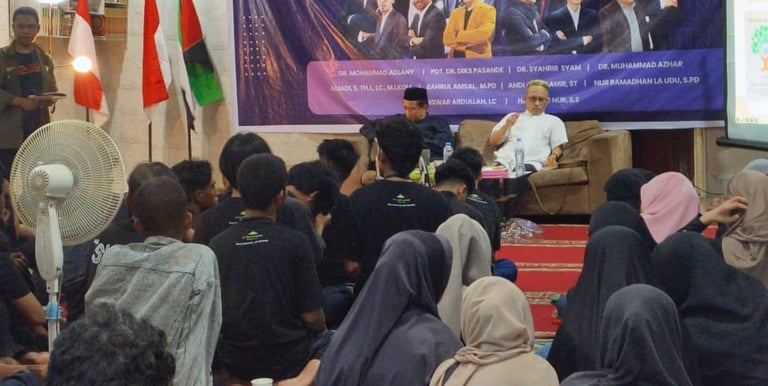
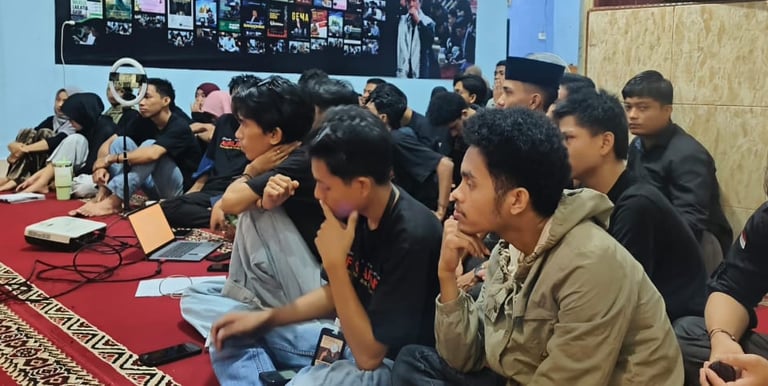
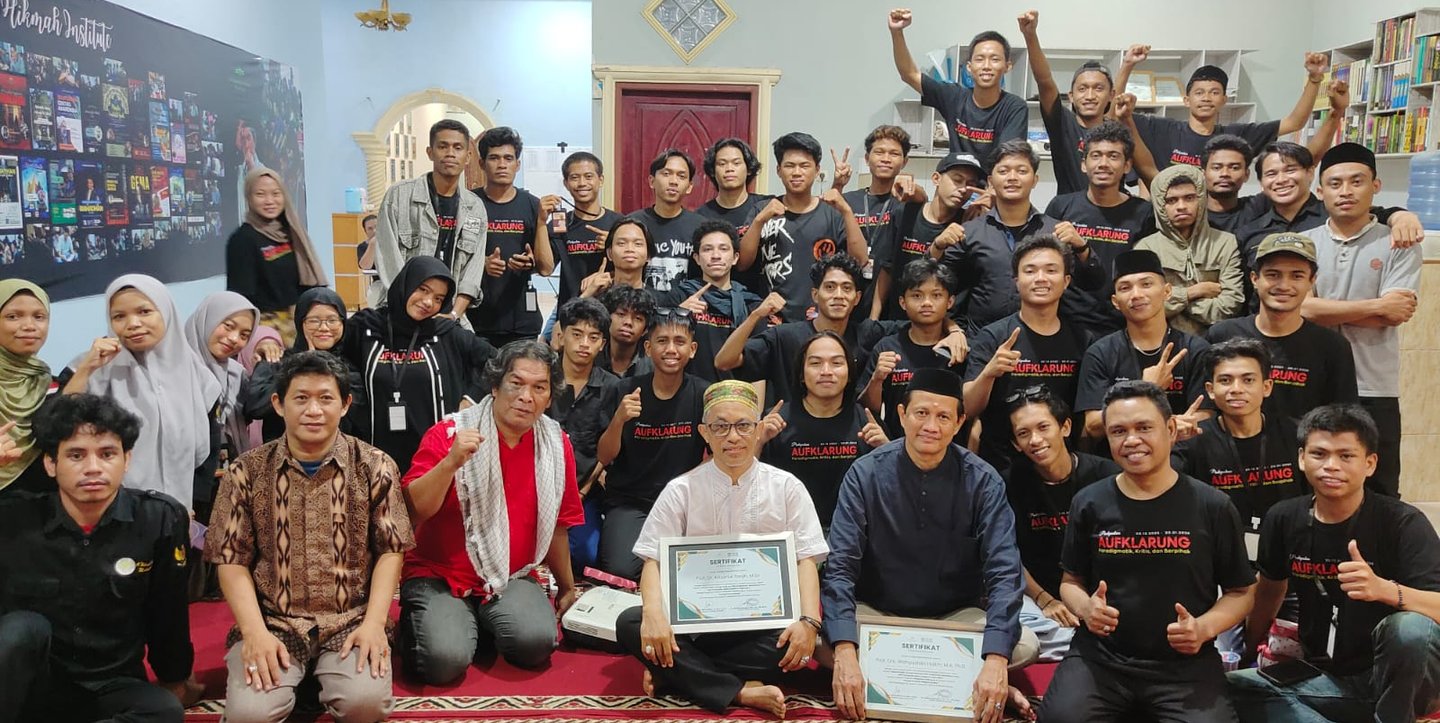
Al Hikmah Institute Makassar, in collaboration with Center for Eastern Indonesian Studies (CEIS), held a public discussion on Saturday evening (December 27, 2025) as part of the Padepokan Aufklärung VI series of activities. The discussion featured two professors from leading universities in South Sulawesi: Prof. Drs. Wahyudin Halim, M.A., Ph.D from UIN Alauddin Makassar and Prof. Dr. Khusnul Yaqin, M.Sc from Hasanuddin University.
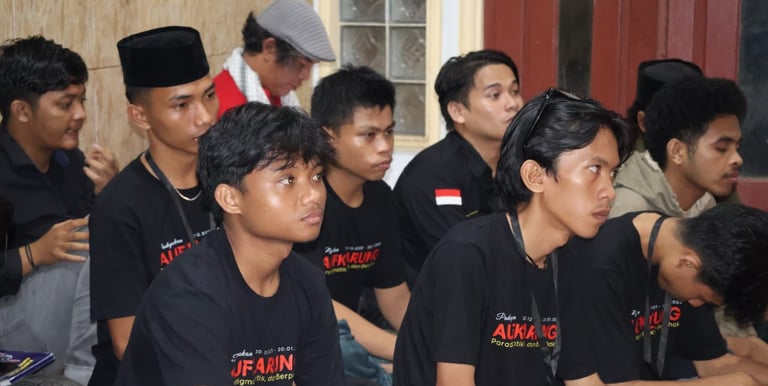
The discussion, attended by participants from various regions of Eastern Indonesia, raised the theme “Political Ecology and Religious Ethics: Reconsidering the Role of Transcendent Values in Environmental Policy.” The forum highlighted the increasingly evident ecological crisis and the urgent need to involve religious ethical values in the formulation of environmental policies.
In his opening remarks, the Director of Al Hikmah Institute Makassar, Juliadi Solong, M.I.Kom, emphasized that the discussion aimed to serve as a critical study to position religion more substantively within the public sphere. According to him, religion should not be reduced merely to normative discourse or ritual practices.
“It is time that religion is no longer confined to pulpits with themes of heaven and hell, or debates about belief and unbelief. The ethical and spiritual values of religion must instead be presented as a moral foundation in responding to the environmental crisis,” Juliadi stated.
As the first speaker, Prof. Khusnul invited participants to critically examine the modern ecological crisis. He argued that environmental destruction stems from an anthropocentric paradigm that places humans at the center of the universe, as well as from a shallow understanding of religion.
“Rather than serving as an ethical force to prevent destruction, religion in certain social practices has been reduced to an instrument that legitimizes exploitation and injustice,” Prof. Khusnul remarked. He added that when humans perceive themselves as the center of the universe, nature is reduced to a mere tool for satisfying human desires, rather than an entity that must be protected.
According to Prof. Khusnul, humans are only a small part of the broader ecosystem of the universe. “Humans are not rulers, but fellow inhabitants of the Earth alongside other beings,” he said. He also criticized the labeling of environmental disasters merely as hydrometeorological disasters, which he argued is often used to normalize failures in environmental governance.
Meanwhile, Prof. Wahyuddin Halim emphasized that the current ecological crisis cannot be separated from a spiritual crisis. Environmental destruction, he explained, is not merely a technical or natural issue, but rather a reflection of the fading spiritual awareness of humans in viewing nature as a fellow creation.
“Human greed toward the Earth is rooted in an anthropocentric paradigm and the weakening of ethical and spiritual values in the management of natural resources,” Prof. Wahyuddin Halim stated. He stressed that awareness of the sacred should not be limited to holy places or scriptures alone, but must also be recognized in nature itself—land, water, forests, and the entire cosmic order that sustains life.
According to Prof. Wahyuddin Halim, when nature is regarded as sacred, humans no longer feel entitled to exploit it, but instead feel called to protect it. “Arrogance as God’s creatures gives rise to greed and deepens the ecological crisis,” he concluded.
This public discussion forms part of the efforts by Al Hikmah Institute and CEIS to encourage critical, cross-disciplinary dialogue, particularly in responding to the challenges of the environmental crisis through approaches grounded in ethics, spirituality, and public policy.