Commemorating the Wiladah of Imam Ali, Al Hikmah Institute Highlights the Essence of Knowledge and the Purpose of Life
The commemoration of the Wiladah of Imam Ali bin Abi Talib (as), organized by Al-Hikmah Institute Makassar, served as an intellectual and spiritual reflection on the essence of knowledge and the purpose of human existence. Through a lecture by Mohammad Adlany, Ph.D, Imam Ali was presented as the gateway to knowledge and a central authority in the continuity of divine guidance, leading humanity toward its highest ontological actualization.
NEWS & EVENTS
J. Solong (CEIS Makassar Activist)
1/23/2026
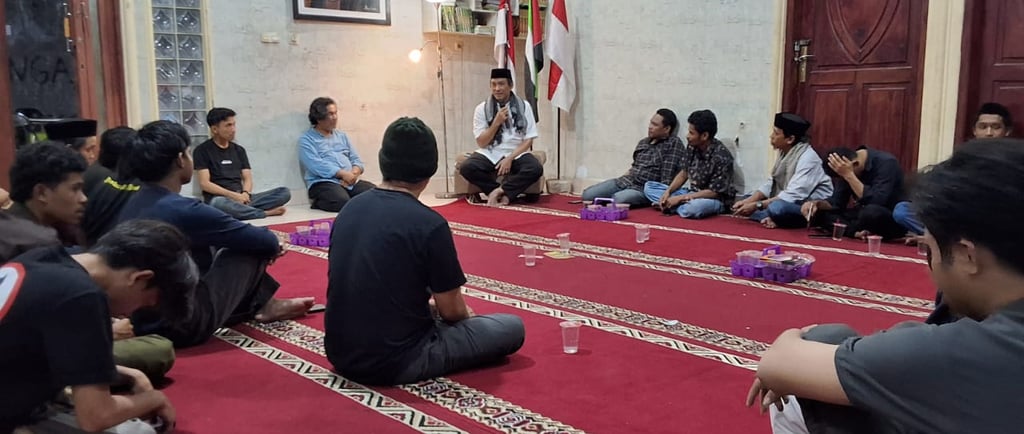
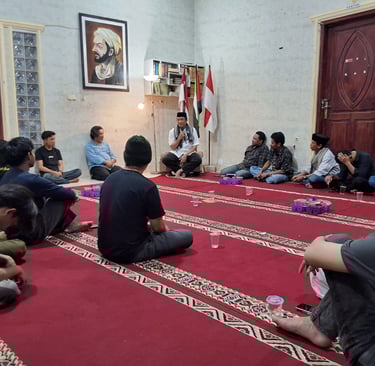
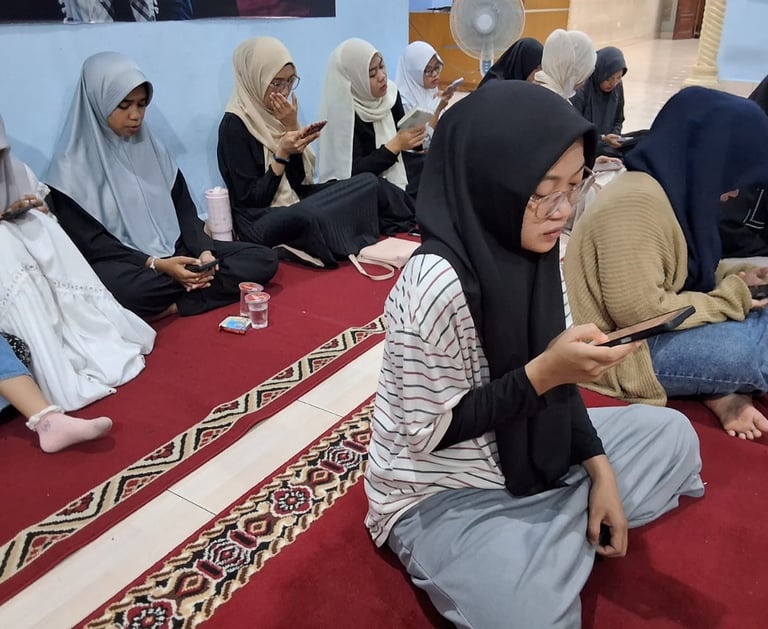
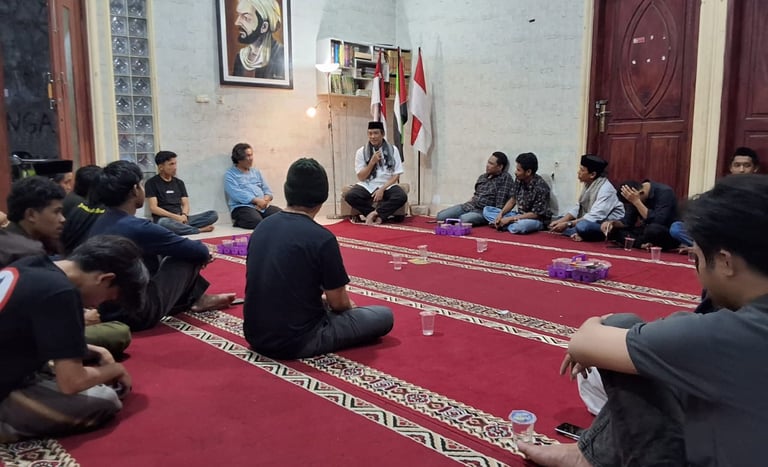
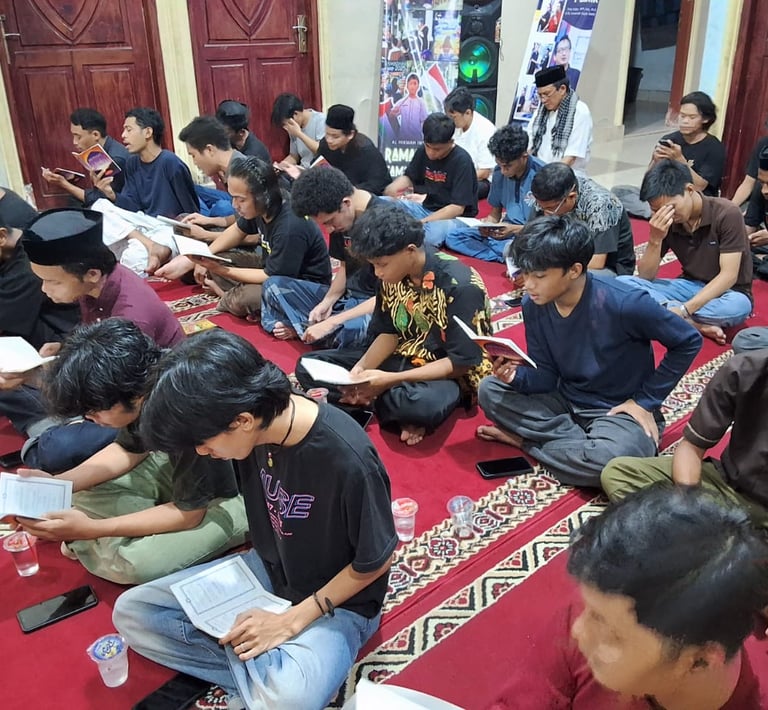
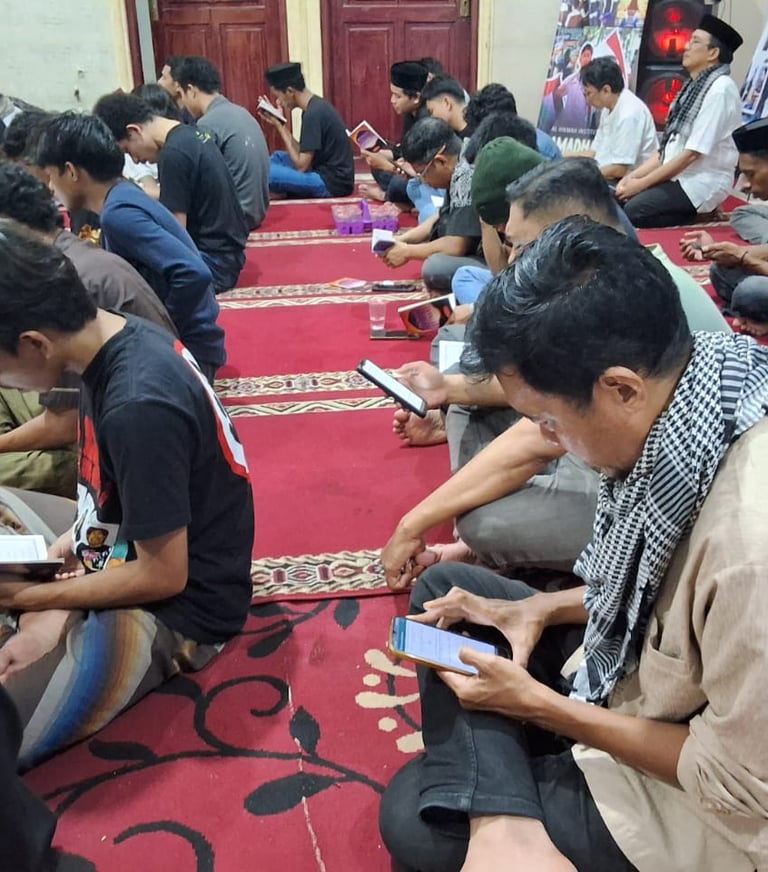
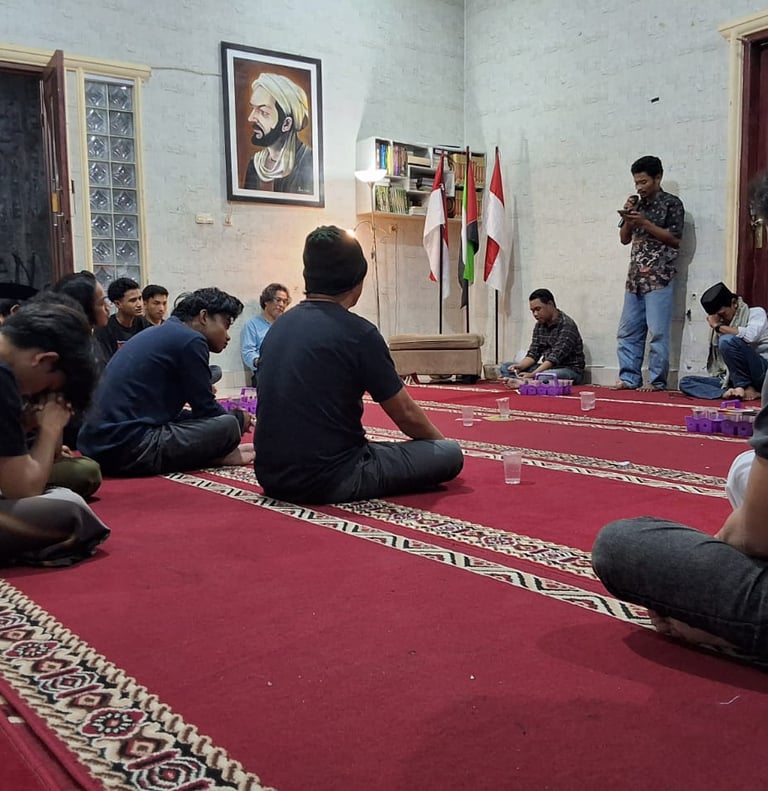
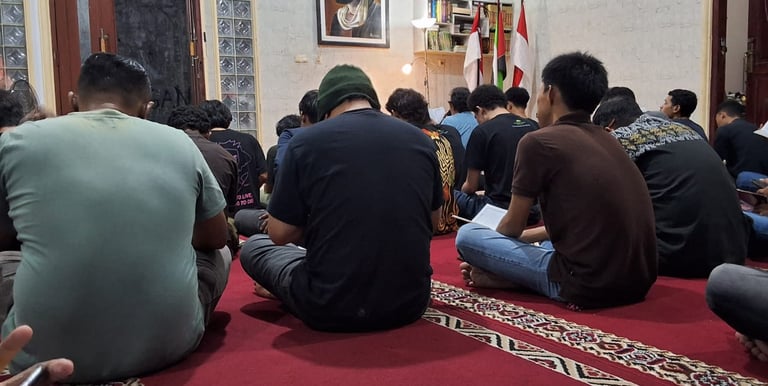
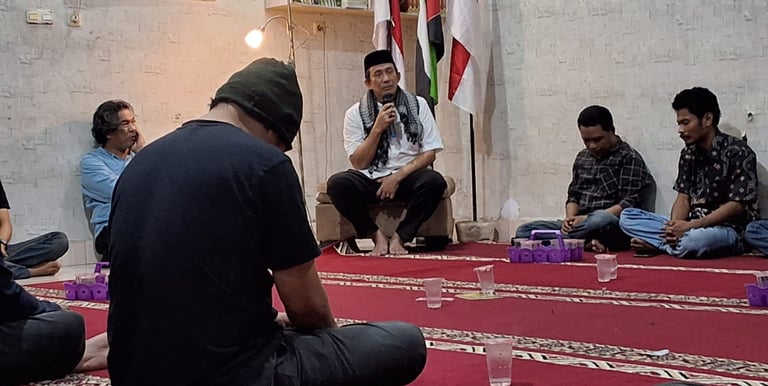
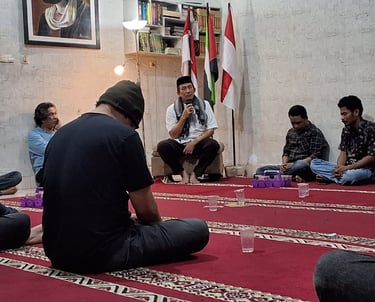
In commemoration of the Wiladah of Imam Ali bin Abi Talib (as) on 13 Rajab 1447 H, Al Hikmah Institute Makassar held a Doa and Wiladah Imam Ali (as) event on Thursday (15/1/2025). The activity took place at the Secretariat of Al Hikmah Institute Makassar and was attended by students and participants of the Aufklärung VI Padepokan.
In his lecture, Mohammad Adlany, Ph. D, emphasized the position of Imam Ali as an extraordinary figure after the Prophet Muhammad (pbuh). However, this distinction, he noted, should not be understood as a qualitative separation from prophethood. According to Adlany, Imam Ali attained an intellectual and spiritual level equivalent to the rational attainment of the Prophet Muhammad (pbuh).
“Imam Ali is known as the gate of knowledge. To reach the essence of knowledge, one must pass through him or his teachings. This is not merely symbolic, but rather indicates that Imam Ali attained what can be called the prophetic intellect,” Adlany stated.
He explained that Imam Ali’s knowledge was not merely transmissive or derived through narration from the Prophet, but was huduri in nature—direct, immediate knowledge—acquired through what he described as the angelic intellect. Through this intellect, knowledge is present without intermediaries.
Adlany also discussed the direct acknowledgment by the Prophet Muhammad (pbuh) of Imam Ali’s qualities, which he said was reflected in a pivotal event following the Farewell Pilgrimage. During the journey, the Prophet instructed the entire caravan—those who had gone ahead and those who lagged behind—to gather under the scorching sun. Before the companions, the Prophet delivered a sermon in which he designated Imam Ali as the successor of his teachings.
Furthermore, Adlany cited a saying of Imam Ali from Nahjul Balaghah, Chapter 5, number 297:
“May God have mercy on one who knows from where he comes, where he is, and to where he will go.”
According to him, this statement contains a philosophical framework of human existence. “The question of ‘from where’ relates to the existential origin of human beings. Through proper contemplation, humans will recognize themselves as created beings—dependent and not absolutely autonomous,” he explained.
Meanwhile, the question of ‘where’ refers to human existence within the material world, which is constantly in a state of change. Physical transformation is inevitable, but the fundamental issue lies in the direction toward which the human soul is being transformed.
“Human beings are endowed with intellect and desire. If intellect becomes the instrument of transformation, humans will reach their highest actuality, namely the angelic intellect. However, if desire dominates, humans experience a decline in their ontological level,” Adlany said.
He warned that such decline may resemble the characteristics of predatory animals—humans who only feel meaningful when preying upon or oppressing others.
As for the question of ‘where to,’ Adlany viewed it as a rational consequence of understanding one’s origin and current existential position. The ultimate destination of human beings, he argued, is largely determined by ikhtiar (free will), which itself depends on one’s existential understanding.
“Therefore, what humans choose is what they will ultimately attain and be held accountable for,” he stated.
In this context, Adlany emphasized that revelation emerges as a rational necessity to harmonize human actions with their existential purpose. The presence of Imam Ali, he added, serves as a territorial authority that ensures the continuity of this divine guidance.
“Life is not without purpose. Achieving the proper ontological actuality of human beings is a necessity, and God’s laws are the path to attaining it,” Adlany concluded.